Laser Cut Coffee Cup SVG
First Impression: Clean, Cheerful, and Craft-Ready
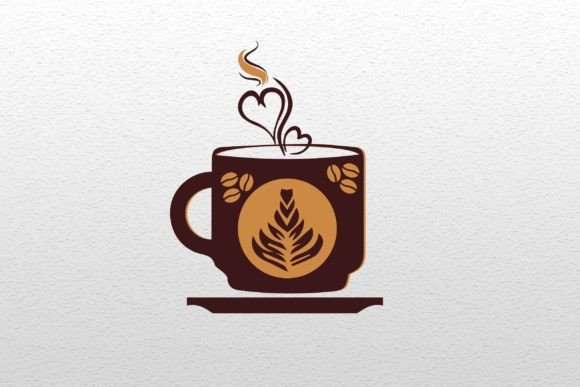
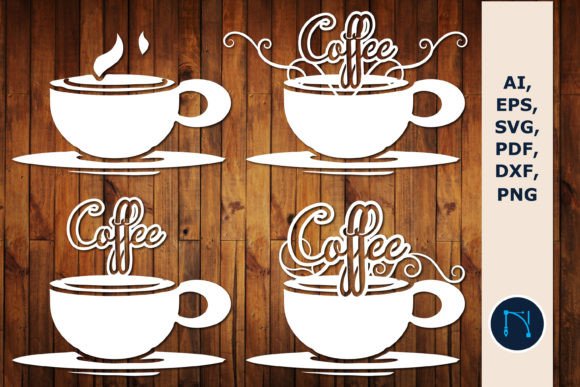
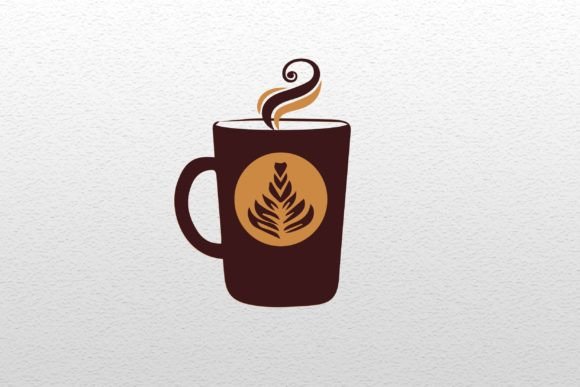
Opening the ZIP folder for Laser Cut Coffee Cup SVG, I immediately noticed how crisp and intentional the vector lines feel — no pixelation, no fuzzy edges. At 300 DPI resolution, it’s built for precision, and the fact that it’s 100% vector means I can scale it up for a tote bag or down for a baby onesie without losing clarity. The design leans into playful minimalism: a single coffee cup with clean contours, subtle steam swirls, and just enough detail to read as “hand-drawn charm” — not cartoonish, not sterile. It doesn’t scream “coffee shop logo”; instead, it whispers “cozy morning ritual,” which makes it ideal for handmade products where warmth and authenticity matter.
A Real Project Test: Embroidering a Linen Tea Towel for My Local Boutique
Last week, I used Laser Cut Coffee Cup SVG as the centerpiece for a small-batch run of embroidered linen tea towels — part of a holiday collection for a neighborhood kitchen boutique. I converted the vector into a machine embroidery design using my standard workflow (trace → digitize → adjust stitch density), keeping the original silhouette intact. What stood out was how well the shape translated: the cup’s curved handle held its form in satin stitch, and the steam lines stayed legible even at 3.2" wide. Customers responded strongly — not just because it’s coffee-themed, but because the design felt *designed*, not downloaded. That distinction matters when you’re pricing handmade goods at $28–$34 per towel.
Where This Design Shines — and Where It Needs Thought
- Custom apparel: Works beautifully on sweatshirts and relaxed-fit tees — especially when placed off-center or on the chest. The open negative space inside the cup keeps stitch density balanced, reducing puckering on knit fabrics.
- Tote bags & aprons: Scales cleanly to 5–6", holds up against canvas texture, and reads clearly from across a craft fair booth.
- Baby embroidery & nursery decor: Soft enough for onesies and pillow covers — just avoid dense fill stitches near seams; opt for running stitch outlines or light fill for breathability.
- Embroidered patches: A natural fit. The clean edges digitize well into border satin stitch, and the shape lends itself to heat-applied or sew-on versions.
- Holiday gifts & personalized products: Paired with a monogram or date (“Est. 2024”) in a simple sans-serif, it becomes a thoughtful, non-generic gift — especially for teachers, nurses, remote workers, or new parents.
Use With Care On…
Not every surface is forgiving — and Laser Cut Coffee Cup SVG is no exception. On thin or stretchy fabric like jersey or lightweight cotton poplin, I recommend testing stabilizer layers first: medium tear-away + light cut-away works best. On dark fabric, double-check thread color contrast — the steam lines are delicate, and low-contrast thread can disappear entirely. For caps or curved surfaces, keep the size under 3.5"; anything larger risks distortion around the crown seam. And while the design looks lovely in digital mockups, remember: embroidery adds physical dimension. Those fine steam curls? They’ll need at least 0.8mm stitch width to hold shape — so if your digitizer compresses them too tightly, they’ll vanish in the hoop.
What It Adds to Your Finished Product — Beyond the Stitch
This isn’t just a graphic — it’s a quiet value amplifier. When stitched onto a high-quality kitchen towel or organic cotton tote, Laser Cut Coffee Cup SVG elevates perceived craftsmanship. Buyers don’t see “SVG file”; they see intentionality — the kind that builds trust in a small shop or Etsy listing. It supports brand consistency without demanding rigid rules: use it solo for minimalist appeal, pair it with a short phrase for storytelling, or layer it subtly behind a hand-lettered quote. And because it’s vector-based and EPS-ready, it adapts easily to printable mockups, social media assets, or even packaging labels — making it useful far beyond the embroidery machine.
Practical Notes Every Embroidery Designer Should Run Through
- Always test Laser Cut Coffee Cup SVG on scrap fabric matching your final project’s weight and weave — especially for baby items or frequent-wash goods like tea towels.
- Review stitch density before finalizing your digitized version — too dense near the handle curve = stiffness; too sparse in the steam = loss of definition.
- Confirm hoop size compatibility early. If stitching on a cap, verify whether your machine’s cap frame allows full clearance for the cup’s height and width.
- Inspect small details in black-and-white mockups — what reads well digitally may blur when stitched, particularly on textured fabrics.
- Compare performance on light vs. dark backgrounds. Dark thread on light fabric gives crispness; light thread on dark requires tighter satin coverage to avoid shadowing.
- Use appropriate stabilizer: cut-away for knits, tear-away for stable wovens, and fusible for lightweight linens.
- Check licensing terms before selling finished items or bundling the file into digital embroidery packs — this falls under Graphics, not Crafts-only use.
Final Thought: A Reliable Anchor in Your Design Toolkit
Laser Cut Coffee Cup SVG won’t replace complex custom lettering or intricate florals — and it’s not meant to. What it does exceptionally well is serve as a warm, versatile, and production-smart anchor for real-world embroidery projects. Whether you’re an Etsy seller launching your first embroidered product line, a craft business owner refreshing seasonal merchandise, or a hobbyist stitching personalized gifts for friends, this design earns its place in your library by being both easy to use and hard to overlook. It’s confident without shouting, detailed without demanding perfection, and quietly professional — exactly the kind of asset that helps handmade work feel intentional, cohesive, and worth the price tag.