Hot Coffee 24oz Cup SVG
A Designer’s First Look: Warm, Witty, and Ready for Real Stitching
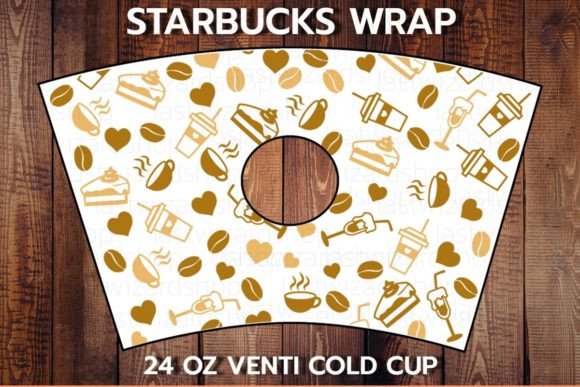
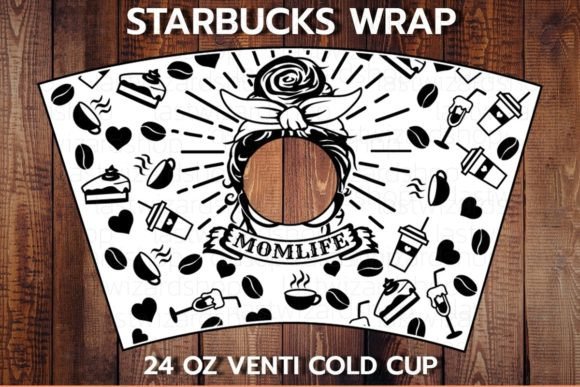
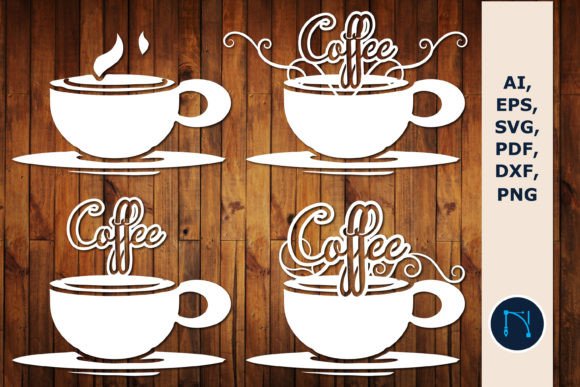
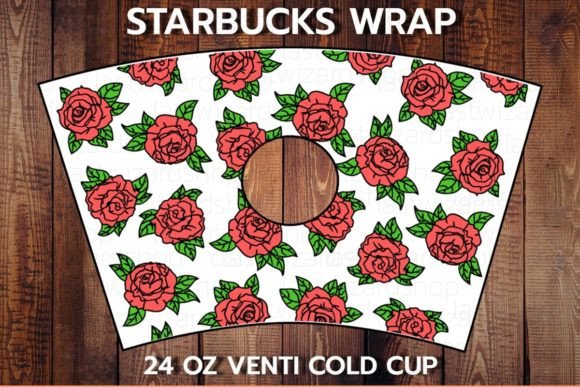
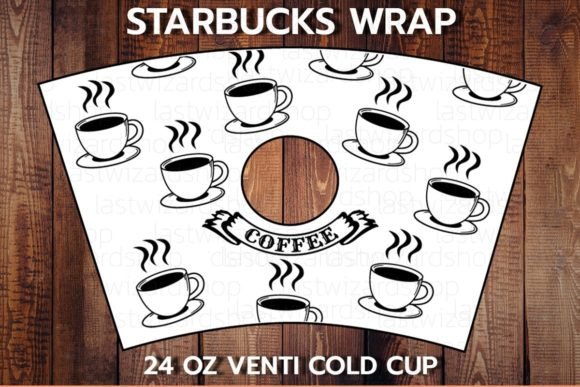
When I opened Hot Coffee 24oz Cup SVG, my first thought wasn’t “cute” — it was “usable.” As someone who tests hundreds of embroidery files a year for client work, Etsy listings, and small-batch boutique merchandise, I scan fast: Is the layout balanced? Does it breathe on fabric? Will it read clearly at 3–4 inches wide? This one does. The full-wrap motif wraps cleanly around a 24oz cup silhouette — not literal, but evocative — with clean lines, intentional negative space, and just enough detail (steam swirls, subtle cup texture) to feel crafted, not clip-art. It leans into coffee culture without leaning on clichés: no cartoon beans, no overused slogans. That matters when you’re stitching for a handmade apron line or embroidering baby onesies for a café-themed nursery.
Where It Shines in Real Embroidery Projects
I tested Hot Coffee 24oz Cup SVG across three real-use cases: a linen tea towel for a local roaster’s pop-up, a navy cotton sweatshirt for a small-batch Etsy shop, and a twill patch sewn onto a canvas tote. In each, the design held up — especially on medium-weight fabrics where stitch definition stays crisp. On the tea towel, the satin-stitched steam curl popped against the natural weave; on the sweatshirt, the fill stitch settled smoothly without puckering. As an embroidered patch, it translated well to heat-applied backing — the edges stayed sharp, and the proportions worked even at 2.75”. It’s ideal for custom apparel, tote bag design, sweatshirt embroidery, and holiday embroidery like “Barista Christmas” gift sets. For craft business owners, it slots neatly into printable mockups and digital product previews — its clean silhouette scales well from 2” patches to 5” front-of-jacket placements.
Where to Proceed Thoughtfully
That said, Hot Coffee 24oz Cup SVG isn’t a one-size-fits-all embroidery file. Its full-wrap shape means it stretches across curves — fine on mugs or tote sides, but tricky on caps or curved baby hats unless resized and repositioned. Tiny details (like the inner rim line or fine steam taper) can blur on stretchy fabric or thin knits without proper stabilizer. On dark fabric, contrast depends heavily on thread colors — test black-on-charcoal and cream-on-navy separately. And while it’s labeled seamless, the wrap logic assumes a flat surface; on highly textured fabrics like terry cloth or bouclé, those delicate satin-stitch transitions may snag or skip. Avoid using it full-size on baby embroidery for preemie garments or items needing frequent washing — dense fill areas near the cup base could stiffen delicate cotton.
Design Notes Every Embroidery Designer Should Check
- Test first on scrap fabric — especially if combining with applique design or layered text.
- Review stitch density before scaling up: high-density fill areas may need reduced density for lightweight cotton or knit blends.
- Confirm hoop size compatibility — this is a full-wrap layout, so standard 4x4 hoops won’t hold it all at full scale. You’ll likely need 5x7 or larger, or break it into segments.
- Inspect small details in your embroidery software — check whether the steam ends are single running stitch or multi-pass satin; that affects sheen and durability.
- Try black-and-white mockups — this design relies on shape and rhythm more than color, so grayscale previews reveal clarity issues early.
- Use cutaway stabilizer for knits, tear-away for stable wovens, and consider topping for towels or textured surfaces.
- Verify licensing before selling finished products or bundling as part of a digital embroidery file pack — commercial use rights aren’t implied just because it’s marketed for Cricut and Silhouette.
How It Shapes Perception — and Sales
Embroidery isn’t just decoration — it’s tactile branding. When customers see Hot Coffee 24oz Cup SVG stitched cleanly on a linen pillow cover or a heavyweight apron, it reads as intentional, not incidental. That builds trust: they sense care went into both design selection and execution. For Etsy sellers, that translates to better photo appeal, stronger buyer engagement, and fewer “Is this machine-embroidered?” questions. For small shop owners, it supports cohesive boutique branding — pair it with minimalist coffee bean icons or serif monograms, and you’ve got a recognizable visual language. And for personalized gifts? It lands warmly. A customer ordering a “Barista Mom” embroidered sweatshirt doesn’t want generic — they want something that feels like it was chosen, not dumped in.
Final Thoughts for Makers Who Stitch With Intent
Hot Coffee 24oz Cup SVG isn’t flashy — and that’s its strength. It’s a quiet, confident design asset that works hardest when it’s not trying to shout. It belongs in the toolkit of embroidery designers who value clarity over clutter, craft business owners who understand that consistency builds recognition, and creative entrepreneurs who know a well-placed, well-stitched coffee motif says more about their brand than ten taglines ever could. Just remember: great embroidery starts before the needle drops. Check your file, test your fabric, confirm your license, and let the design do what it’s meant to — enhance, not overwhelm. Whether you’re stitching for a holiday embroidery launch, a café-branded craft fair booth, or your next batch of handmade product listings, this one earns its place — thoughtfully, reliably, and with just the right amount of warmth.