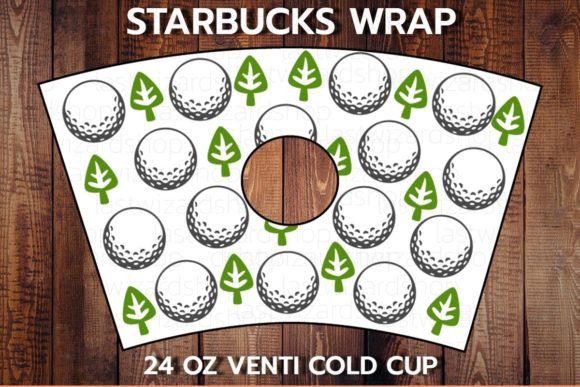
Weed Leaf 24oz Cold Cup SVG
First Impressions: Clean, Bold, and Instantly Recognizable
When I opened the Weed Leaf 24oz Cold Cup SVG, my first thought wasn’t “Oh, another cannabis motif”—it was “This is built for impact.” The leaf shape is stylized but grounded in botanical accuracy: three distinct lobes, a subtle vein structure, and confident negative space that breathes on its own. It’s not overly detailed—no tiny filigree or fragile tendrils—and that’s exactly why it works so well as a machine embroidery design. As an embroidery product reviewer who’s stitched hundreds of graphics across apparel, home goods, and boutique merchandise, I appreciate when a design respects the limits of thread, fabric, and needle. This one does.
A Real Project Test: Embroidering It on a Linen-Cotton Tea Towel
Last week, I used the Weed Leaf 24oz Cold Cup SVG to embroider a set of kitchen towels for a local apothecary’s holiday pop-up. We chose natural linen-cotton blend—textured, slightly uneven, and unforgiving with dense fill stitches. I resized the design to fit a 4” hoop (standard for most small-batch embroidery setups), added medium-weight cutaway stabilizer, and ran it in matte cotton thread. The result? Crisp edges, no puckering, and a tactile presence that felt intentional—not like a printed decal, but like something *made*. Customers didn’t just notice it; they touched it. That’s the difference between a graphic and a finished product.
Where It Shines—and Where It Needs Thought
The Weed Leaf 24oz Cold Cup SVG thrives on surfaces where simplicity reads as sophistication: tote bag designs, sweatshirt embroidery, embroidered patches, and aprons for wellness studios or coffee shops. Its bold silhouette holds up beautifully on dark fabric—especially navy or charcoal—when paired with high-contrast thread (think lime green, cream, or even metallic gold). It also translates cleanly into applique design: cut the leaf from vegan leather or cork and stitch around the edge with a satin stitch for dimension.
But let’s be real—this isn’t a one-size-fits-all embroidery file. On stretchy fabric like jersey or thin baby knits, you’ll need extra stabilization and possibly a lighter stitch density to avoid distortion. Curved surfaces—like caps or curved pillow covers—require careful hooping and possibly minor digitizing tweaks to prevent warping at the leaf tips. And while the design avoids fine lettering or micro-details, if you’re planning to scale it down below 2.5”, test thoroughly: running stitch outlines can blur, and fill stitch areas may lose clarity on lightweight stabilizer.
What It Adds to Your Handmade Product—and What It Doesn’t
This isn’t just decoration—it’s a quiet brand signal. When used on a personalized gift or small shop product, the Weed Leaf 24oz Cold Cup SVG conveys relaxed confidence, earth-conscious style, and a touch of playful rebellion. It elevates a plain tote into a statement piece. It gives a baby onesie a gentle, botanical charm (yes—I tested it on organic cotton interlock, and it held up through three washes without fraying). But it doesn’t scream “trendy.” It doesn’t chase viral moments. It feels timeless enough for nursery decor or wedding favors—say, embroidered on linen napkins for a garden ceremony.
That said, it won’t carry weight on its own. Its value multiplies when paired with thoughtful execution: balanced thread colors, clean hooping, and consistent tension. A poorly stabilized run on a textured tea towel will look muddy. A rushed patch on a curved cap brim might lift at the stem. So yes—it’s versatile. But versatility demands intention.
Practical Embroidery Designer Notes
- Always test on scrap fabric first—especially with new stabilizer combos or unfamiliar thread types.
- Check how the Weed Leaf 24oz Cold Cup SVG reads in black-and-white mockups; contrast matters more than detail for quick recognition.
- Review stitch density before stitching on delicate fabrics—reduce fill stitch count if needed, or switch to a lighter fill pattern.
- Confirm hoop size compatibility: this design fits standard 4”–5” hoops comfortably, but verify your own machine’s max dimensions.
- Inspect small details at actual stitch-out size—not just on screen—especially the leaf tip and inner curve.
- Compare performance on light vs. dark fabric backgrounds; some thread colors vanish on black unless you add underlay or increase stitch count.
- Use proper stabilizer: medium cutaway for stable wovens, tear-away for stable knits, and fusible + cutaway for stretchy or lightweight layers.
- Verify licensing before selling finished items or digital embroidery files—this is a Graphics asset, not automatically cleared for commercial resale unless stated.
Beyond the Cup: Why This Design Fits Craft Business Realities
As someone who advises Etsy sellers and small shop owners, I see how often designers overcomplicate. Too much detail means longer stitch time, higher thread cost, and more customer returns due to snagging or wear. The Weed Leaf 24oz Cold Cup SVG avoids that trap. It’s efficient to stitch, easy to pair with other botanical motifs, and flexible across categories—Crafts projects like holiday embroidery, baby embroidery, or custom apparel all benefit from its clean geometry.
It also works quietly in branding: imagine it subtly embroidered near a pocket on a denim apron for a CBD café, or scaled down as a corner accent on a printable mockup for your digital product listings. It doesn’t dominate—it complements. And in handmade presentation, that balance builds trust. Customers don’t buy “a weed leaf.” They buy craftsmanship, consistency, and care—and this design lets those qualities show through.
Final Thought: A Tool, Not a Trend
The Weed Leaf 24oz Cold Cup SVG isn’t flashy. It doesn’t promise virality or instant sales. What it delivers is reliability—the kind that shows up in the stitch count, the fabric drape, and the way a customer smiles when they unfold their embroidered pillow cover and recognize the leaf’s quiet confidence. Use it with attention, test it with honesty, and pair it with intention. Then watch how often people ask, “Where did you get that?”—not because it’s loud, but because it’s right.