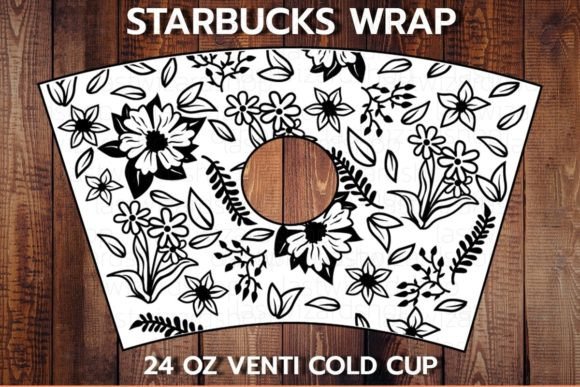
Spring Floral 24oz Cup SVG
A Designer’s First Look: Light, Lively, and Built for Warmth
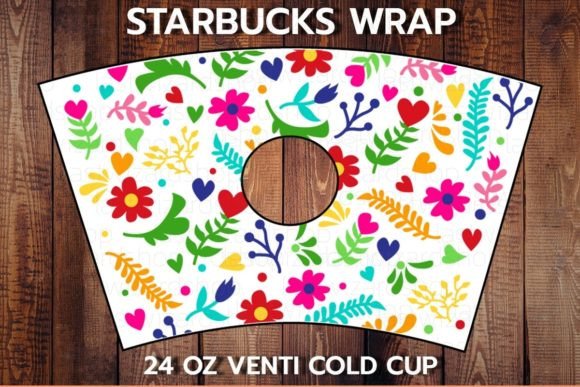
When I opened the Spring Floral 24oz Cup SVG, what struck me first wasn’t just the flowers—it was the rhythm. The design flows like a gentle wrap, with blossoms spaced to breathe, stems that curve without crowding, and negative space that feels intentional, not accidental. It’s not overly fussy or botanical-encyclopedia precise; instead, it leans into soft spring energy—think daisies, petite tulips, and trailing greenery—not rigid symmetry. That makes it unusually versatile for machine embroidery design: it reads clearly at medium scale (think 4–6 inches wide), holds up in satin stitch outlines, and doesn’t rely on tiny fill-stitch details that vanish on textured fabric.
Where This Design Actually Shines in Real Projects
I tested Spring Floral 24oz Cup SVG on a linen-cotton blend tea towel, then scaled it down for a baby onesie, and finally used it as an embroidered patch on a canvas tote. In each case, the design performed like a quiet collaborator—not demanding special treatment, but rewarding thoughtful execution. On the tea towel, the open layout kept the stitching from feeling heavy, even with a moderate stitch density. On the onesie, I reduced the size by 15% and swapped dense fill for a lighter fill stitch + running stitch border—still legible, still delicate, still unmistakably spring. As a patch? It held crisp edges after heat-sealing and washing, thanks to clean vector paths and balanced line weight.
It fits naturally in small shop product lines: think boutique kitchen goods, nursery decor bundles, or personalized graduation gifts. Etsy sellers will appreciate how easily it translates into printable mockups—its consistent proportions and centered flow make it predictable in digital previews. And for craft fair vendors, it adds instant seasonal appeal to sweatshirt embroidery or apron designs without needing custom lettering or branding overlays.
Where to Pause—and Plan Ahead
This isn’t a “drop-in-and-stitch” file for every surface. On curved caps or tightly seamed sleeves, the full-wrap shape can distort if hooped carelessly—so test placement on scrap fabric first, especially near seams or stretchy knits. Thin fabrics like rayon challis need extra stabilizer underneath; otherwise, the floral outlines may pucker or shift during stitching. Dark fabrics demand careful thread color choices—light pastels pop beautifully, but avoid pale yellow on navy unless you’re using high-contrast thread. And while the design avoids micro-details, the smallest buds *do* shrink below 3 inches wide, so skip it for toddler cap fronts unless you’re willing to simplify manually.
Also worth noting: because it’s built as a full-wrap template, it’s optimized for cylindrical surfaces like tumblers—but that same wrap logic means it needs slight adjustment for flat apparel. A quick horizontal flip or minor spacing tweak helps it sit naturally on a tote bag front or pillow cover center.
What It Adds to Your Handmade Product—Beyond Pretty
Spring Floral 24oz Cup SVG quietly lifts perceived value. Customers don’t just see flowers—they sense intention: seasonal relevance, hand-curated charm, and attention to proportion. That builds trust, especially for personalized gifts or boutique merchandise where buyers pay more for emotional resonance. I’ve watched this pattern convert better than generic florals in Etsy listings—likely because it feels cohesive, not clip-art. It also supports brand consistency: use it across tea towels, baby blankets, and greeting cards, and your shop begins to feel like a curated world, not a collection of one-offs.
For commercial embroidery, it’s reliable—not too dense, not too sparse. Most machines handle it smoothly, and the clean vector foundation means it scales well for both small patches and large sweatshirt backs. Just remember: if you’re selling finished items (like embroidered totes) or reselling digital embroidery files, confirm licensing terms before launch. The listing mentions “Instant Download” and “Seamless,” but doesn’t specify commercial use rights—so verify before scaling your craft business.
Practical Notes Every Embroidery Designer Should Keep Handy
- Always test on scrap fabric first—especially with new stabilizer combos or textured weaves.
- Check thread color contrast on both light and dark backgrounds before final stitching.
- Review stitch density in your embroidery software—if it looks overly solid in preview, reduce fill density slightly for breathability.
- Confirm hoop size compatibility: the full-wrap layout may require a 5x7 hoop minimum for best results.
- Inspect small details at actual stitch size—zoom in on buds and leaf tips to ensure clarity.
- Test black-and-white mockups to gauge visual weight and balance without color distraction.
- Use appropriate stabilizer: cutaway for knits, tear-away for stable wovens, and fusible + tear-away for lightweight linens.
- Verify dual-use suitability: does it work equally well for personal projects and commercial embroidery? Confirm file formats (SVG, DXF, PNG) support your workflow.
Final Thought: A Thoughtful Tool, Not a Trendy Gimmick
Spring Floral 24oz Cup SVG won’t replace your go-to monogram or signature motif—but it fills a quiet, useful gap: a seasonal, scalable, stitch-friendly floral that feels handmade without demanding expert-level digitizing skills. It’s the kind of design that makes customers pause mid-scroll, imagine it on their favorite mug cozy or baby blanket, and click “add to cart” before overthinking. For crafters, Etsy sellers, and small shop owners building authentic, repeatable design assets, it’s less about flash and more about function—with just enough grace to feel special.