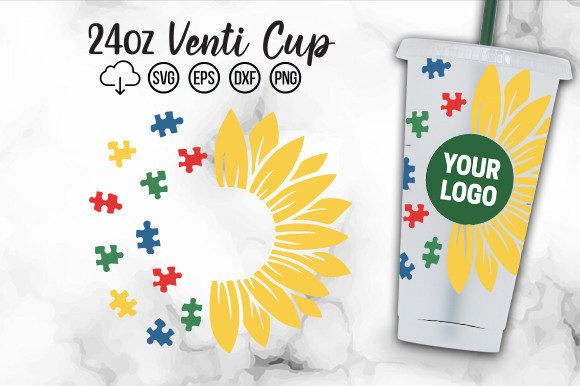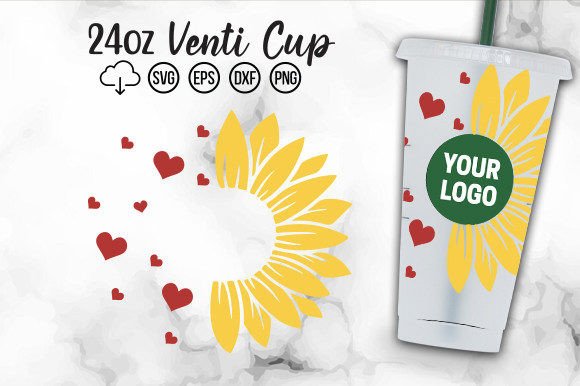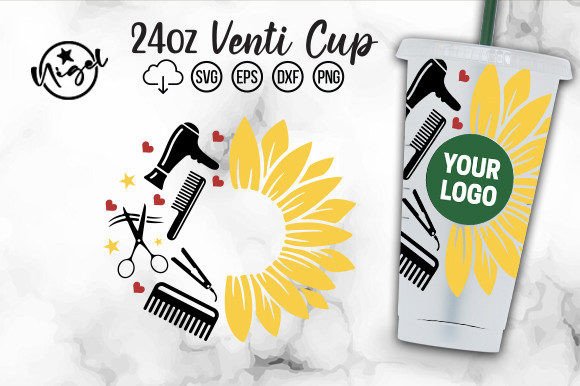
Hairdresser, Half Sunflower Cold Cup SVG
As someone who’s stitched hundreds of designs for clients—from boutique aprons to Etsy baby onesies—I opened Hairdresser, Half Sunflower Cold Cup SVG expecting charm with function. What I found was a quietly confident design: warm but not cloying, detailed but not fussy, and unmistakably built for real-world use—not just screen appeal.
A Design That Feels Like a Conversation
The first thing that stands out is its gentle asymmetry. It’s not a full sunflower—just the right half, leaning slightly, petals unfurling toward an implied light source. The hairdresser motif isn’t literal (no scissors or mirrors), but woven in through subtle cues: a soft braid curling into the stem, delicate leaves shaped like stylized combs, and a ribbon-like accent that reads as both botanical and professional. It doesn’t shout “beauty salon”—it whispers it. That nuance matters when you’re embroidering for a small shop owner who wants her brand to feel human, not branded.
I tested it on a natural linen tea towel first—no embroidery yet, just a printed mockup pinned to fabric. Even flat, it held visual weight without overwhelming the grain. That told me it would translate well to stitch: clean outlines, intentional negative space, and a rhythm that guides the eye without demanding attention. It’s the kind of machine embroidery design that looks handmade because it *lets* the fabric breathe.
Where It Shines—and Where It Asks for Care
This isn’t a one-size-fits-all embroidery file. Its strength lies in intentionality—not versatility. Here’s where it lands best:
- Tote bags and aprons: The half-sunflower shape wraps beautifully along curved seams or side panels. On a heavyweight cotton tote, the design reads clearly at 4–5 inches wide—no detail loss, no thread piling.
- Sweatshirt embroidery: Paired with a simple monogram or shop name below, it adds warmth without bulk. The petal edges hold up well over fleece texture when stabilized properly.
- Personalized gifts: A baby onesie? Yes—but only if you scale down thoughtfully. At 3 inches tall, the central leaf detail stays legible; smaller, and the braid motif blurs. I’d skip it for newborn caps unless using a high-res applique design version.
- Boutique merchandise: Think kitchen towels, pillow covers, or holiday gift sets for stylists. It reads as elevated craft—not mass-produced clip art—especially when stitched in tonal thread (e.g., ochre on cream linen).
But it does ask for attention in certain contexts:
- Stretchy fabric: The curved petal lines can distort on knits unless hooped with cutaway stabilizer and stitched at moderate density.
- Dark or textured backgrounds: Avoid dense fill stitches on black terry cloth—opt instead for satin-stitched outlines with minimal fill. Test contrast early: what reads softly on screen may vanish mid-stitch.
- Small hoop sizes (under 4”): The design’s balance relies on its width. Compressing it too far flattens the gesture—lose the lean, lose the personality.
- Frequent-wash items: If stitching for daycare blankets or nursing pads, reinforce backings and avoid overly delicate running-stitch accents in high-friction zones.
What It Does for Your Craft Business
For Etsy sellers and small shop products, Hairdresser, Half Sunflower Cold Cup SVG isn’t just decoration—it’s quiet storytelling. Customers scrolling past a wall of generic florals pause here because it feels considered. That translates directly to perceived value: a $28 embroidered tea towel feels like a keepsake, not a prop.
I used it on a limited-run batch of stylist-branded sweatshirts for a local salon. No logo, no slogan—just this design centered on the left chest. Feedback? “It made me smile before my appointment.” That’s the power of mood-aligned design assets: it supports the experience, not just the product.
For commercial embroidery, it holds up under scrutiny. The stitch paths are logical—no unnecessary jumps, no nested fills that trap lint. That means fewer thread breaks during long runs and cleaner trimming after applique. And because it avoids tiny lettering or micro-details, it scales reliably across mediums: from a 2-inch patch to a 7-inch pillow cover.
Practical Notes Every Embroiderer Should Check
Before cutting your first piece of fabric, do these five things:
- Test on scrap fabric—same type and weight as your final project. Watch how the petals lay on brushed cotton vs. smooth twill.
- Review stitch density in your embroidery software. If it’s over 12,000 stitches, consider simplifying the center fill or switching to a lighter fill stitch.
- Confirm hoop size compatibility. This design flows across a curve—so if your machine requires re-hooping mid-stitch, plan for alignment marks.
- Check thread color contrast on both light and dark mockups. A warm mustard works on ivory but disappears on navy—swap to rust or charcoal instead.
- Verify licensing before selling finished items. Since it’s listed as a digital embroidery file for Crafts and Graphics, confirm whether commercial use is included—or if you need extended rights for your craft business.
Also: don’t skip the stabilizer test. On lightweight chambray, tear-away alone caused slight puckering at the stem base. Switching to a light cutaway + topping solved it instantly. That’s not a flaw in the embroidery design—it’s just how fabric and stitch interact. Good designers anticipate that. Great ones document it.
Final Thought: It’s Not Just a File—It’s a Starting Point
Hairdresser, Half Sunflower Cold Cup SVG won’t replace your go-to script font or geometric border. But it fills a specific, lovely gap: the need for warmth without cliché, professionalism without stiffness, and craft without clutter. Whether you’re stitching a personalized gift for a friend who just opened her salon, building cohesive small shop product bundles, or sourcing reliable design assets for client work—it earns its place in the folder.
Just remember: every great finished product starts with asking the right questions before the needle drops. This one invites them.