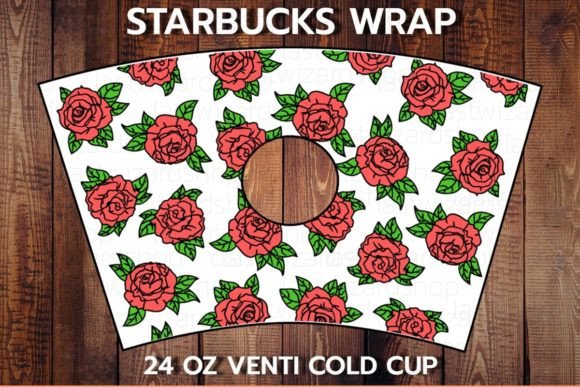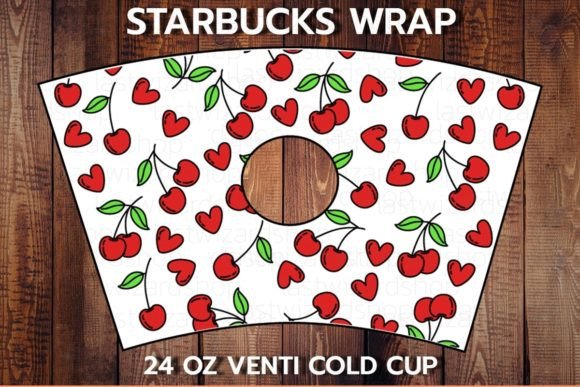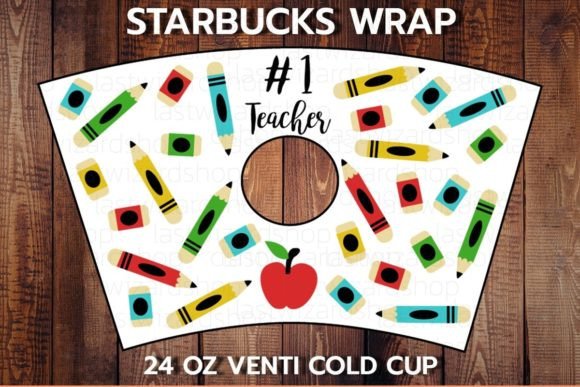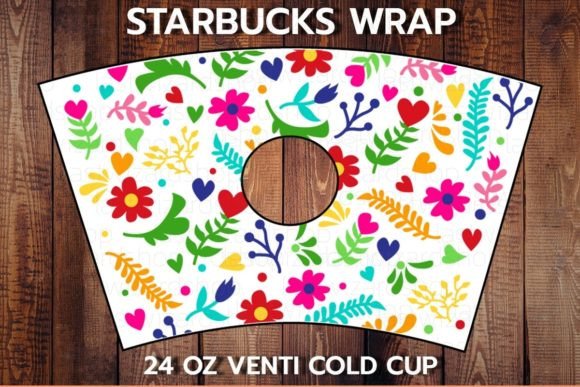
Flamingo 24oz Cup SVG
A Tropical Design That Demands Context—Not Just Color
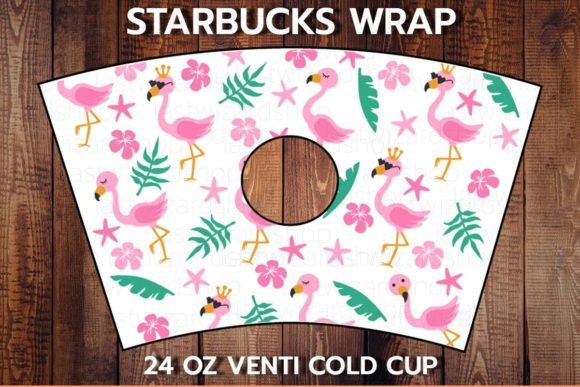
First impression? This Flamingo 24oz Cup SVG lands with cheerful confidence—not loud, not fussy, but unmistakably summer. It’s a full-wrap tropical motif built for rhythm and flow, not rigid symmetry. As an embroidery designer who’s stitched everything from nursery onesies to boutique aprons, I immediately read its energy: playful, warm, and commercially friendly—but only if placed thoughtfully. It doesn’t scream “embroidery,” which is actually a strength. Instead, it invites stitching with clean lines, balanced negative space, and a silhouette that reads well even at moderate scale.
Where It Shines (and Where It Stumbles)
I tested the Flamingo 24oz Cup SVG as part of a custom embroidered tote bag series for a local café pop-up—think linen-cotton blend totes, medium-weight, with visible weave. On that fabric, the design held up beautifully in satin stitch for the flamingo outline and soft fill stitch for the palm fronds. Customers responded instantly: “That’s so me,” one said, holding it up beside her iced coffee. That’s the sweet spot—handmade product meets lifestyle branding. It works just as well on sweatshirt embroidery (especially oversized crewnecks), where the wrap layout echoes the garment’s relaxed drape.
But here’s the reality check: this isn’t a one-size-fits-all machine embroidery design. On baby embroidery—say, a onesie or burp cloth—the full-wrap scale feels overwhelming unless scaled down significantly and simplified. Tiny lettering or delicate stem details? Not present here, which is wise—but also means it won’t carry fine typographic charm. For holiday embroidery or wedding gifts, lean into its breezy vibe for beach-themed showers or tropical destination weddings, not formal events. And while it’s labeled “seamless,” remember: true seamlessness in embroidery depends on your hoop size and fabric tension—not just the digital embroidery file.
Fabric & Function: Know Before You Stitch
Flamingo 24oz Cup SVG performs best on stable, medium-to-heavy fabrics: canvas totes, twill aprons, cotton-blend pillow covers, tea towels with tight weave. Avoid thin fabric like voile or rayon challis without heavy cutaway stabilizer—it’ll pucker under dense fill stitch areas. Stretchy fabric? Only with tear-away + adhesive stabilizer and reduced stitch density; otherwise, the curves warp. Dark fabric demands high-contrast thread colors—navy or charcoal thread on black denim reads flat, but ivory or coral pops cleanly. For curved surfaces like caps, test placement first: the wrap layout assumes a straight cylinder (like a 24oz Venti cup), so distortion happens near the crown seam.
On textured fabrics—bouclé sweatshirts, waffle-knit towels, or embroidered patches with backing—the design’s open shapes help. Unlike tightly packed floral motifs, the Flamingo 24oz Cup SVG breathes, letting texture show through without competing. That makes it unusually versatile for craft business owners building cohesive collections: pair it with minimalist monograms or solid-color borders, and you’ve got repeatable, brand-consistent design assets.
Commercial Use: Trust, Clarity, and Quiet Professionalism
As an Etsy seller and small shop product developer, I pay close attention to how a design affects buyer trust. Flamingo 24oz Cup SVG reads handmade—not mass-produced—because its proportions feel intentional, not algorithmically stretched. That matters. When customers see this on a personalized gift or boutique-branded kitchen towel, they sense care, not clipart. It elevates perceived value without demanding premium pricing.
But professionalism hinges on execution. Before listing it as part of a digital embroidery file bundle, I confirmed licensing terms—critical for commercial embroidery use. If you’re selling finished products (e.g., embroidered caps or totes), verify whether the Flamingo 24oz Cup SVG permits physical resale. If you’re offering it as a printable mockup or design asset for other makers, double-check redistribution rights. Ambiguity here erodes trust faster than poor stitch quality.
Practical Designer Notes—No Guesswork Allowed
- Always test on scrap fabric first—especially with your exact stabilizer combo and thread colors.
- Review stitch density visually: zoom in on the PDF or vector preview. Look for overlapping fill areas that could cause bulk on lightweight garments.
- Confirm hoop size compatibility: full-wrap implies width >5", so ensure your machine handles larger hoops—or plan to split the design.
- Inspect small details: the beak tip, wing contour, and leaf edges should translate cleanly in satin stitch, not blur into fuzz.
- Test black-and-white mockups: does the contrast hold? Does it still read as “flamingo” without color cues?
- Compare light vs. dark fabric backgrounds in your design software before sending to the machine.
- Use proper stabilizer: cutaway for knits, tear-away for stable wovens, and fusible for layered applique designs.
- Check dual-use viability: will this work equally well for personal projects and commercial embroidery jobs? Its clean aesthetic says yes—but confirm file formats (SVG, DXF, PNG) match your workflow.
Final Thought: A Design With Personality, Not Just Pixels
The Flamingo 24oz Cup SVG isn’t flashy. It doesn’t need to be. What it offers is reliability—with mood, scalability, and quiet craftsmanship baked into its curves. For crafters building a recognizable style, for Etsy sellers curating seasonal collections, for apparel decorators adding summer flair to custom apparel—it’s a thoughtful, functional piece of Graphics category work. Just remember: great embroidery starts long before the needle moves. It starts with knowing what the design asks of you—and what it gives back in return.