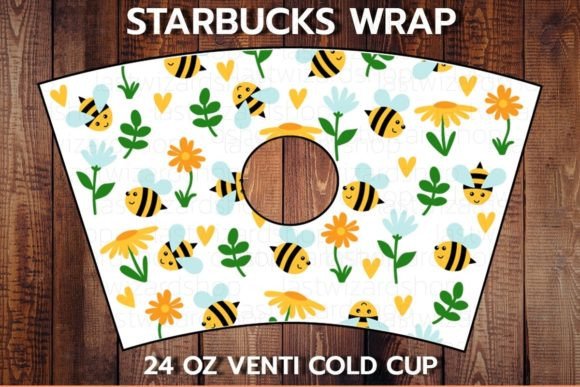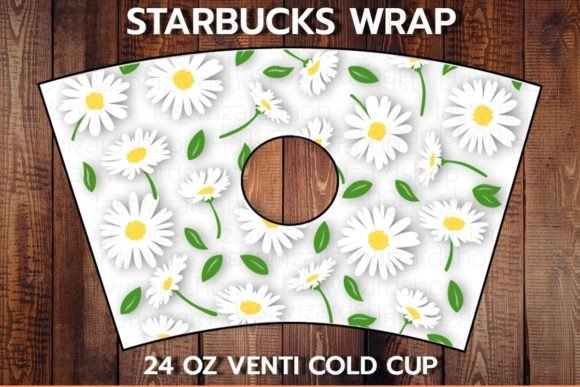
Daisy Flower 24oz Cup SVG
First Impression: Light, Lyrical, and Purpose-Built
Opening Daisy Flower 24oz Cup SVG feels like unrolling a breath of spring—clean lines, open petals, and that unmistakable daisy simplicity. It’s not fussy or over-rendered; the design leans into negative space and balanced proportion, which is exactly what you want in a machine embroidery design meant for real-world wear and gifting. As someone who’s stitched hundreds of floral motifs onto everything from baby onesies to boutique aprons, I immediately noticed how this one avoids visual clutter. No tiny stems fighting for attention, no overlapping petals that’ll blur under satin stitch, and no micro-details that vanish on textured fabric. It reads clearly at 3–4 inches wide—the sweet spot for tote bag designs, sweatshirt chest placements, and embroidered pillow covers.
A Real Project Test: Stitching It Onto a Linen Tea Towel
Last week, I used Daisy Flower 24oz Cup SVG as the centerpiece for a set of handmade kitchen towels destined for a local craft fair. I chose medium-weight linen—slightly nubby, absorbent, and beloved by customers who value tactile authenticity. Before hooping, I checked the file’s natural flow: it’s a full-wrap layout optimized for cylindrical surfaces (like that 24oz Venti cold cup), but its clean radial symmetry translates beautifully to flat goods too. On the towel, I centered it just below the hemline—no distortion, no stretching. The stitch density felt moderate—not so sparse it looked unfinished, not so dense it stiffened the fabric. When stitched in soft ecru thread on oat-colored linen, the daisy held its shape without competing with the material’s texture. Customers didn’t just say “cute”—they paused, traced the outline with their fingers, and asked, “Is that hand-drawn?” That’s the quiet power of a well-considered embroidery file.
Where It Shines—and Where to Pause
Daisy Flower 24oz Cup SVG works exceptionally well for custom apparel, embroidered patches, nursery decor, and personalized gifts—especially for spring showers, baby showers, or minimalist wedding favors. Its open structure makes it forgiving on stretchy fabric (think lightweight cotton jersey for toddler tees) and thin fabric (like muslin baby bibs), as long as you use tear-away stabilizer underneath. On dark fabric? It holds up cleanly if you choose high-contrast thread colors—navy with butter-yellow centers, charcoal with ivory petals. For caps or curved surfaces, test placement first: the design’s gentle curve helps, but avoid stitching it right over the crown seam where tension shifts.
That said, proceed carefully with ultra-fine details. While the file includes no tiny lettering or fragile filigree, the outer petal tips are delicate—if your machine runs hot or your hoop tension is inconsistent, those points can fray or pucker on very lightweight fabrics. Also, avoid layering it directly over seams or pockets without testing: the fill stitch area needs stable ground. And though it’s labeled “seamless,” remember that seamless in digital terms doesn’t automatically mean “hoop-and-forget” in embroidery—always confirm your hoop size fits the widest dimension before stitching on a finished garment.
What It Adds to Your Finished Product
This isn’t just decoration—it elevates perception. A tote bag with Daisy Flower 24oz Cup SVG stitched cleanly near the handle reads as intentional, curated, and quietly confident. Customers associate that clarity with care: they trust the maker, assume quality construction, and see higher perceived value—even before price tags go up. For Etsy sellers and small shop owners, that translates directly to better conversion and fewer “Is this handmade?” questions. In holiday embroidery or personalized gift contexts, it reads as warm but not cloying—ideal for moms, teachers, gardeners, or anyone who appreciates understated charm. And because it’s built for versatility (not just cups), it strengthens brand consistency across product lines: same daisy on a tea towel, same daisy on an apron pocket, same daisy on a baby blanket corner.
Practical Embroidery Designer Notes
- Always test first: Run Daisy Flower 24oz Cup SVG on scrap fabric matching your final project’s weight and texture—especially if using textured or stretchy materials.
- Check thread color contrast: What reads softly on screen may disappear on dark or busy backgrounds. Try black-and-white mockups to assess silhouette strength.
- Review stitch density: Moderate fill is great for breathability—but if you’re embroidering on performance fabric or layered garments, verify no excessive buildup in petal centers.
- Confirm licensing: Since this is a digital embroidery file sold for commercial use, double-check the seller’s terms before selling finished products or bundling it into design assets.
- Stabilizer matters: Use cut-away for knits, tear-away for stable wovens, and water-soluble for delicate surfaces like silk or lace overlays.
- Hoop size & placement: Measure the design’s widest point—don’t assume it fits your standard 4x4 hoop without verifying dimensions.
- Think beyond cups: Though inspired by 24oz Venti cold cup templates, this design excels on apparel, home goods, and accessories—just adjust scale thoughtfully.
Final Thought: A Quietly Reliable Design Asset
Daisy Flower 24oz Cup SVG won’t shout—but it will hold space. It’s the kind of embroidery file that supports your voice as a designer rather than drowning it out. Whether you’re building a craft business, launching an Etsy shop, or stitching heartfelt gifts for people you love, it delivers consistent, professional results without demanding perfection from your setup. It’s not flashy. It’s not trendy. But it’s thoughtful, adaptable, and built to last—not just in stitch count, but in how it makes your finished product feel: calm, considered, and quietly joyful. That’s the mark of a truly useful design asset.