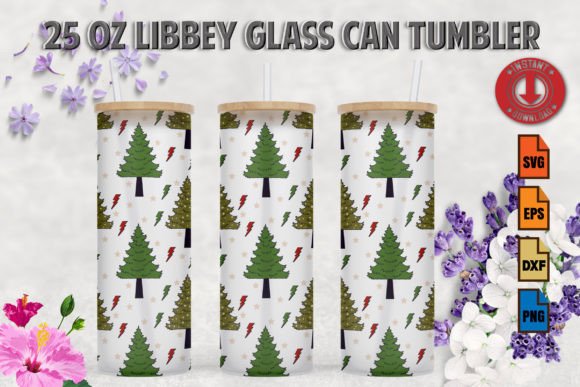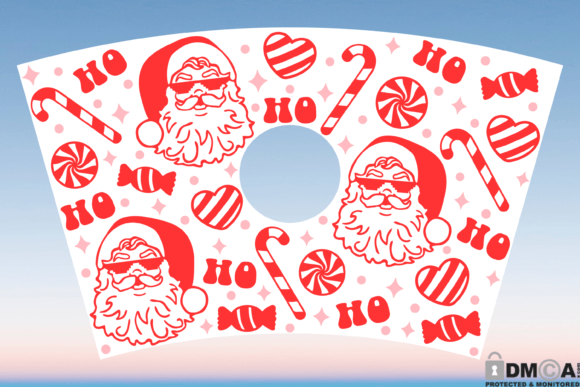
Christmas Pine Cone 24oz Tumbler Cup SVG
A Designer’s First Glance: Warm, Rustic, and Quietly Festive
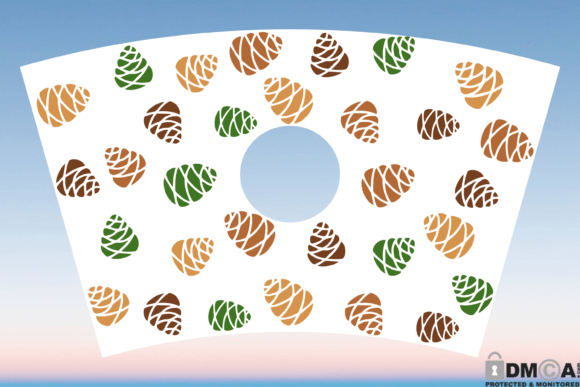
Opening the Christmas Pine Cone 24oz Tumbler Cup SVG file, I immediately felt its quiet confidence—not flashy or overdesigned, but grounded in seasonal warmth. The pine cone motif reads clearly at a glance: layered scales, subtle tapering, gentle asymmetry, and just enough organic texture to avoid looking stiff or clip-art-like. It’s not overly detailed, which is a strength for embroidery—not every design needs hyperrealism to feel handmade and intentional. As a machine embroidery design, it leans into simplicity with purpose: clean outer lines, balanced negative space, and no micro-details that would vanish under satin stitch or blur on textured fabric. This isn’t a “more is more” holiday graphic—it’s a thoughtful anchor for cozy, small-batch products.
Where It Lives Best: Real Projects, Not Just Pixels
Last week, I used a version of this design—adapted from the Christmas Pine Cone 24oz Tumbler Cup SVG—on a set of linen tea towels for a local boutique’s holiday launch. We stitched it onto the lower corner in forest green thread, paired with a single running-stitch stem. Customers responded instantly: “It feels like Christmas morning,” one said. “Like stepping into a cabin.” That reaction tells me something important—the design carries mood, not just motif. It works beautifully on sweatshirt embroidery (especially oversized crewnecks), embroidered patches for denim jackets, baby embroidery on organic cotton onesies, and even as a focal point on kitchen towels or pillow covers where subtlety reads as sophistication.
For Etsy sellers and craft business owners, this is a reliable workhorse. It fits naturally into collections of rustic holiday embroidery files—think bundled with flannel-lined mittens, wool-blend stockings, or hand-stitched ornaments. Because it’s rooted in nature rather than pop-culture trends, it avoids dating quickly. And unlike snowflakes or candy canes, pine cones carry quiet elegance—ideal for wedding gifts, nursery decor, or boutique branding that values calm over chaos.
Where to Pause—and Test—Before Stitching
This isn’t a one-size-fits-all embroidery file. Its charm depends on thoughtful execution. On thin fabric like lightweight cotton tees, I recommend testing stitch density first—dense fill areas can cause puckering if stabilizer isn’t matched carefully. For curved surfaces (caps, mugs, or tapered tumblers), the original SVG layout assumes flat application; you’ll need to adjust placement or scale manually before digitizing for commercial embroidery. And on dark fabric? That subtle scale definition shines best with high-contrast thread—navy on cream reads richer than charcoal on black unless you add an underlay or switch to matte metallics.
I also advise caution with stretchy fabric—like ribbed knit sweatshirts—unless you use cutaway stabilizer and reduce tension slightly. The design’s clean silhouette holds up well, but tiny inner corners (where scales meet the base) can feather or skip if hoop tension is inconsistent. Always test the Christmas Pine Cone 24oz Tumbler Cup SVG on scrap fabric first, especially if you’re planning layered garments (e.g., stitching over fleece-lined hoods) or dense decorative accents like velvet or corduroy.
What It Adds—Beyond the Stitch
When customers see this design on a finished product, they don’t just register “pine cone.” They register care. The shape suggests craftsmanship—not mass production. That perception lifts perceived value, especially for personalized gifts and small shop products. A tote bag with this embroidered in ecru thread feels heirloom-adjacent; a baby cap with a scaled-down version feels tender, not trendy. For apparel decorators and digital product sellers, that emotional resonance translates directly to buyer engagement and repeat trust.
It also supports brand consistency without demanding uniformity. You can pair it with minimalist typography or let it stand alone—no extra flourishes needed. That flexibility makes it strong across printable mockups, digital embroidery file previews, and physical samples alike. As a Graphics asset, it bridges print and stitch cleanly: the same vector clarity that works for a Cricut cup wrap also converts smoothly to embroidery software when handled by someone who understands stitch logic.
Practical Notes Every Embroidery Designer Should Keep Handy
- Test on scrap fabric first—especially with your intended stabilizer and thread combo.
- Check thread color contrast before finalizing—what reads softly on screen may disappear on dark linen or heather grey.
- Review stitch density in your embroidery software; reduce fill density slightly for breathable fabrics like cotton voile or bamboo blends.
- Confirm hoop size compatibility—this design fits comfortably in a 4x4 hoop at standard sizing, but verify before batching orders.
- Inspect small details in both black-and-white and color mockups—some scale edges soften on low-res previews.
- Compare light and dark fabric backgrounds side-by-side—contrast shifts dramatically depending on base tone.
- Use proper stabilizer: tear-away for stable wovens, cutaway for knits or delicate textures.
- Verify licensing before selling finished items or bundling the Christmas Pine Cone 24oz Tumbler Cup SVG as part of a digital embroidery file pack—this is a Print Templates asset, not automatically cleared for resale.
Final Thought: A Design That Earns Its Place
The Christmas Pine Cone 24oz Tumbler Cup SVG doesn’t shout. It settles in—like pine needles on a wooden floor, like steam rising from a mug on a frosty window. That’s its quiet power. In a market saturated with busy, glitter-heavy holiday graphics, it offers breathing room and authenticity. For embroidery designers building cohesive collections, for Etsy sellers curating meaningful holiday merchandise, and for craft business owners investing in timeless design assets—it’s not just another SVG. It’s a thoughtful tool, ready to translate intention into stitch.