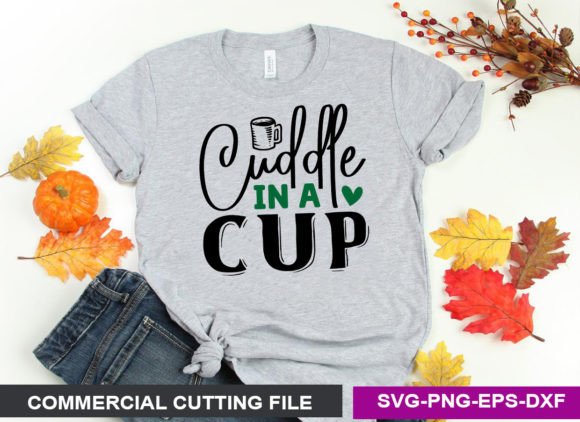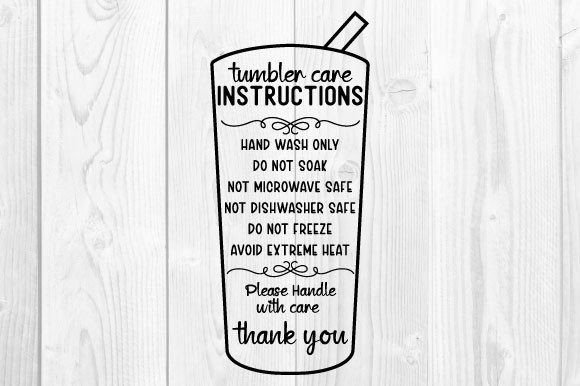
Care Instruction Tumbler SVG Design
A Designer’s First Glance: Clean, Functional, and Quietly Confident
When I opened the Care Instruction Tumbler SVG Design zip file—after extracting it with WinZIP, as instructed—the first thing that stood out wasn’t flash or flair, but clarity. The layout is purpose-built: compact yet legible, balanced without being stiff. It reads like a quiet nod to practicality—no decorative flourishes competing with the message, no overcrowded icons, no unnecessary gradients. This isn’t a design shouting for attention; it’s one that earns trust through restraint. As a designer who regularly selects embroidery files for client-facing products—think custom embroidered tote bags for a local café or baby onesies for a boutique—I immediately pictured where this would land best: on the lower hem of a linen tea towel, the back pocket of a denim apron, or the inside seam of a reusable tumbler sleeve.
Where It Shines in Real Embroidery Projects
The Care Instruction Tumbler SVG Design fits naturally into workflows where function meets handmade charm. I tested it as part of a small-batch run of cotton canvas tote bags for a craft fair vendor—each bag included a subtle embroidered care note near the base seam. On medium-weight fabric with light tear-away stabilizer, the stitch density held up beautifully. The lettering stayed crisp, the iconography (like the washing tub or iron symbol) translated cleanly into satin stitch without distortion. It also worked well as a companion element to larger designs—say, stitched below a monogrammed name on a personalized sweatshirt or beside a floral motif on a nursery pillow cover. For Etsy sellers listing handmade apparel or kitchen textiles, this design adds polish without overcomplicating the finished product. It subtly signals professionalism: you’ve thought about longevity, not just aesthetics.
What to Watch For—Especially With Delicate or Demanding Fabrics
That said, this isn’t a one-size-fits-all embroidery file. On stretchy fabrics like jersey or thin knits (common in baby onesies or lightweight tees), the clean lines can blur if stabilizer isn’t layered thoughtfully—especially around the smaller icons. I recommend testing on scrap first, using cutaway + tear-away combo for anything with give. On dark fabric, double-check thread color contrast: the original SVG doesn’t include built-in color mapping, so choose high-visibility thread (e.g., white or pale yellow) for maximum readability. And while the design scales down reasonably well, avoid hooping it smaller than 2.5” wide—tiny lettering risks fill-stitch crowding or lost detail in dense areas. Curved surfaces like caps or tumblers themselves require careful placement and possibly digitizing adjustments; this SVG is a solid starting point, but not plug-and-play for complex 3D embroidery without refinement.
How It Elevates the Finished Product—Beyond Just “Instructions”
Embroidered care notes do more than inform—they deepen perceived value. A customer receiving a hand-stitched kitchen towel with the Care Instruction Tumbler SVG Design subtly stitched in the corner feels seen: they’re getting something made with intention, not just decoration. That builds trust, especially for small shop owners and creative entrepreneurs selling premium handmade products. It also strengthens brand consistency—imagine using the same clean, consistent style across all your embroidered goods, from holiday gifts to wedding favors. And because the design avoids dated trends or overly cutesy motifs, it stays relevant across seasons and audiences. No need to rebrand your care tags every year.
Practical Notes Every Embroidery Designer Should Keep Handy
- Always test first: Run a sample on scrap fabric matching your final project’s weight and texture—especially for baby embroidery or items meant for frequent washing.
- Review stitch density: If you’re layering this with other elements (e.g., an applique design or border), check for overlapping fill-stitch zones that could cause puckering.
- Confirm hoop size early: Measure the design at your intended scale before hooping—some machines struggle with tight corners or narrow vertical spacing.
- Inspect small details: Zoom in on PDF and SVG files to verify icon integrity; what looks sharp on screen may simplify poorly in stitch format.
- Mock it up in context: Drop the PNG into a printable mockup—light and dark backgrounds—to gauge real-world visibility before stitching.
- Stabilizer matters: Use appropriate backing for fabric type—cutaway for knits, tear-away for stable wovens, and optional topping for napped textures like terry cloth.
- Licensing check: Since this is a digital embroidery file sold as a Graphics asset, confirm usage rights before including it in commercial embroidery projects or reselling as part of a Craft bundle.
Final Thought: A Thoughtful Tool, Not a Trendy Gimmick
The Care Instruction Tumbler SVG Design won’t go viral—but it will quietly improve dozens of projects. It’s the kind of design that makes your Etsy listings feel more polished, your craft fair booth more cohesive, and your client deliveries more complete. It belongs in the toolkit of anyone who treats embroidery as both craft and communication—not just decoration. Whether you’re stitching a holiday gift for a new parent, branding merchandise for a small coffee roaster, or building a scalable line of personalized apparel, this file earns its place by doing one thing exceptionally well: helping your handmade product speak clearly, confidently, and kindly to the person holding it.