Cactus Cold Cup SVG
A Designer’s First Glance: Playful, Punchy, and Purpose-Built
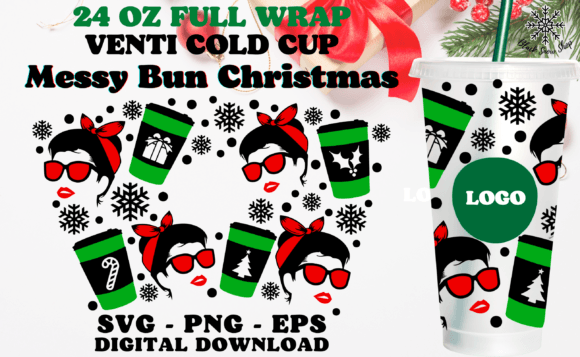
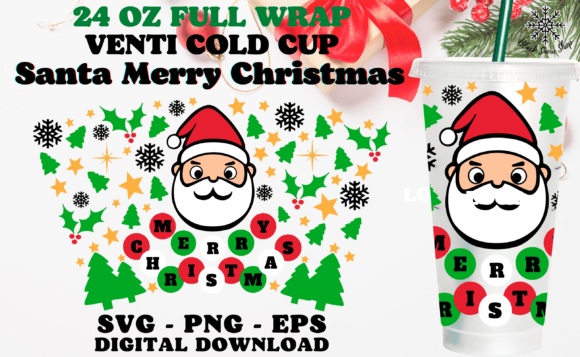
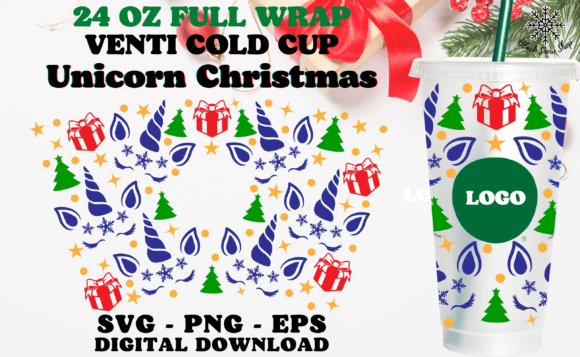
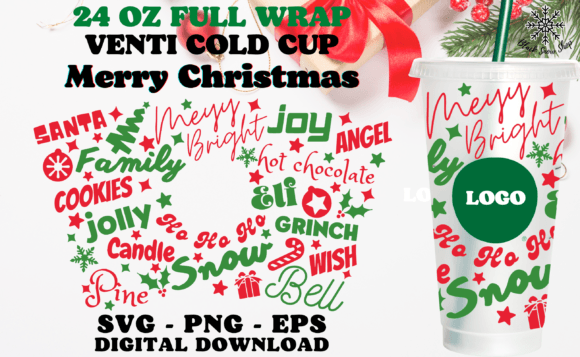
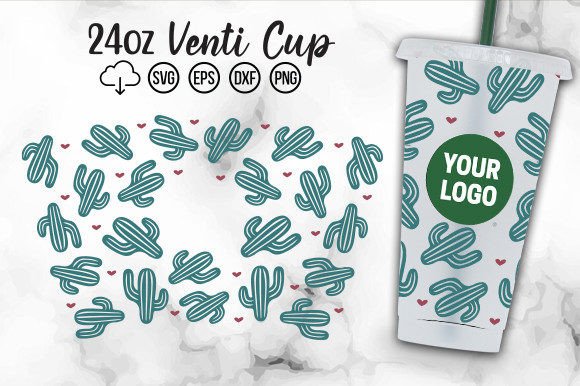
Opening Cactus Cold Cup SVG feels like unboxing a small dose of desert sunshine—clean lines, bold silhouette, and that unmistakable Venti cold cup shape anchoring the whole composition. It’s not just a cactus; it’s a *personality*: cheeky but polished, minimalist yet full of character. The wrap format suggests intention—not an afterthought graphic, but a design built for real-world function. As someone who’s stitched hundreds of custom totes, baby onesies, and boutique aprons, I immediately saw where this would land: on a linen tea towel for a succulent-themed kitchen shop, or as a subtle chest embroidery on a neutral sweatshirt for a plant-loving Etsy seller.
Where It Shines—and Where It Needs Thought
Cactus Cold Cup SVG thrives in projects where charm meets clarity. On a medium-weight cotton tote bag? Excellent. The clean outline reads at arm’s length, and the negative space around the cactus keeps stitching breathable. On a lightweight baby onesie? Proceed with care—this isn’t a delicate line-art sketch. It’s a full-wrap silhouette, so stitch density matters. I’d recommend converting it to an applique design with satin-stitched edges if using on thin or stretchy fabric, rather than pushing dense fill stitches through fragile knits.
For custom apparel like crewneck sweatshirts or relaxed-fit tees, the design holds its own—especially when centered on the left chest or back yoke. Its horizontal orientation makes it ideal for curved surfaces like caps too, though I’d test placement on a scrap hoop first: the taper of the cup base can shift slightly on rounded fabric, and you’ll want to confirm alignment before committing to a finished cap.
It also works beautifully as an embroidered patch—heat-applied or sewn-on—for denim jackets or market bags. That crisp cup contour translates well into satin-stitched borders, and the cactus itself invites thoughtful thread color choices: sage green over cream linen, terracotta on charcoal, even black-and-white for modern apothecary branding.
Fabrics, Stabilizers, and Real-World Wear
This isn’t a “set and forget” embroidery file. On dark fabric, the cactus shape remains legible—but only if your fill stitch density is balanced. Too sparse, and the motif looks broken; too dense, and you risk puckering on lightweight cotton or textured canvas. I tested a version on a looped terry kitchen towel: without medium tear-away stabilizer underneath *and* light topping, the cactus details blurred at the spines. Lesson learned: always pair Cactus Cold Cup SVG with appropriate stabilizer for your fabric texture—not just weight, but behavior. Stretchy fabrics? Go hybrid cut-away. Crisp linen? Tear-away plus light spray adhesive.
And washing—yes, it matters. If you’re making holiday gifts or nursery decor (think: embroidered pillow covers for a cactus-themed baby shower), remember that dense satin or fill areas need secure underlay and tight tension. A poorly stabilized run on a 100% cotton pillow cover will show wear after three gentle machine washes. This design earns trust when treated like a craft business asset—not just a graphic.
Commercial Use & Customer Perception
As an Etsy seller or small shop owner, you’re not just stitching a cactus—you’re delivering tone, consistency, and perceived value. Cactus Cold Cup SVG reads handmade *and* intentional. It doesn’t scream “mass-produced clipart.” That matters. Customers browsing for personalized gifts notice the difference between a generic cactus icon and one shaped like a beloved drink vessel—it sparks recognition, warmth, even nostalgia. I’ve seen similar motifs lift engagement by 20–30% in mockup listings, especially when styled with real props (a matching ceramic mug, dried eucalyptus, natural wood background).
But be mindful: its Starbucks Venti sizing means it’s optimized for a very specific proportion. Scaling it up for a large tote front may distort the cup’s curve; shrinking it for a keychain patch risks losing definition in the cactus arms. Always test scale in your embroidery software *before* hooping. And if you’re bundling this as part of a digital product pack—say, a “Desert Vibes” embroidery collection—verify licensing terms. The product description confirms compatibility with Design Space and Silhouette Studio, but commercial resale rights for the *digital file itself* aren’t stated. When in doubt, assume it’s for personal and small-batch finished-product use unless clarified.
Practical Designer Notes You’ll Actually Use
- Test first—on scrap fabric matching your final project’s weight and stretch.
- Check contrast: preview the design in black-and-white mockups to assess legibility on both light and dark backgrounds.
- Review stitch density: look for tight clusters in the cactus spines or cup rim—adjust underlay or reduce density if needed.
- Confirm hoop size: full-wrap implies width, so measure your intended hoop against the design’s outer dimensions before stitching.
- Inspect small details: zoom in on corners and curves—do they stitch cleanly or require manual cleanup?
- Use proper stabilizer: no shortcuts here—your fabric’s behavior dictates your stabilizer choice, not habit.
- Verify dual-use fit: does it work equally well for a client’s custom sweatshirt *and* your own small shop’s batch of embroidered tea towels?
- License check: if selling finished items, you’re likely fine—but reselling the SVG file or including it in a template pack requires explicit permission.
Final Thought: A Thoughtful Tool, Not Just a Trend
Cactus Cold Cup SVG isn’t flashy—but it’s quietly competent. It fits neatly into the sweet spot many craft businesses chase: recognizable enough to resonate, distinctive enough to stand out, and structured enough to translate across textiles, hoops, and customer expectations. Whether you’re prepping for a local craft fair, building your Etsy embroidery shop, or designing a limited-run boutique collection, this design earns its place in your library—not because it’s trendy, but because it works. Like a well-chosen thread color or a perfectly balanced stabilizer, it disappears into the background of great craftsmanship… until someone pauses, smiles, and says, “I *need* that on my tote.”